
News
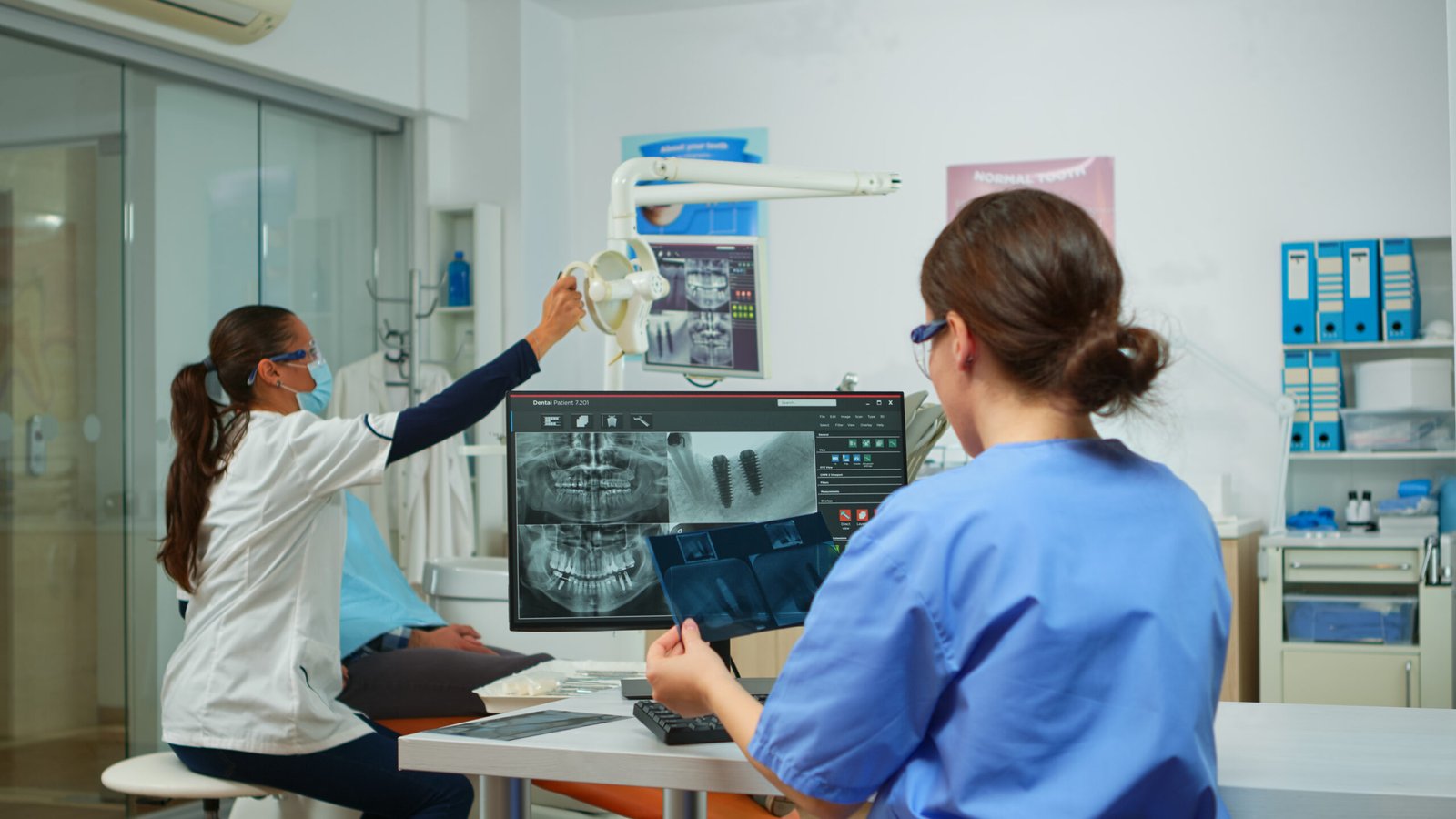
Panoramic X-Rays for Dental Implants: What They Show and Why They’re Used
If you're considering a dental implant, your dentist or oral surgeon will need imaging to evaluate the area where the implant may be placed. A panoramic dental X-ray, also called a panorex or panoramic radiograph, provides a broad two-dimensional view of the teeth,...

When Should You Get a Mammogram? A Guide to Breast Cancer Screening
When should you start getting mammograms, and how often should you have one? The answer depends on your age, personal breast cancer risk, family history and previous breast findings. Different medical organizations also have somewhat different recommendations about...
Am I at Risk for Osteoporosis? When to Consider a Bone Density Test
Osteoporosis can develop without noticeable symptoms, and some people don't know they have reduced bone density until they experience a fracture. Your risk depends on more than age alone. Sex, menopause, family history, body weight, medications, medical conditions,...
FibroScan for Fatty Liver: What It Can Tell You About Liver Fat and Fibrosis
FibroScan can help assess two important features of fatty liver disease: the amount of fat in the liver and whether there are signs of liver stiffness that may be associated with fibrosis or scarring. The test is quick and non-invasive and can provide useful...
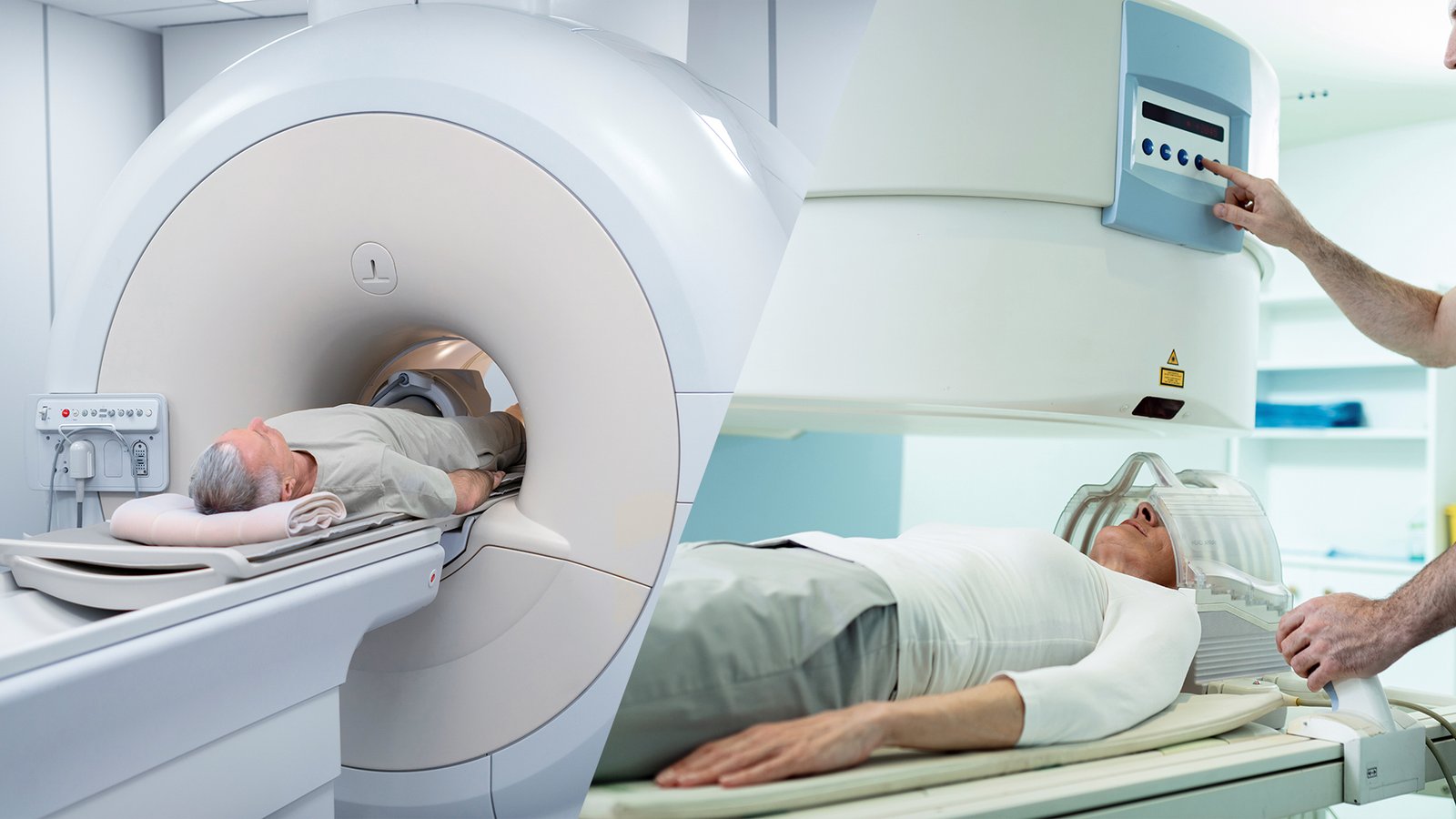
CT Scan vs. MRI: What’s the Difference and When Is Each Used?
CT scans and MRI scans both create detailed images of structures inside the body, but they use different technologies and are suited to different diagnostic questions. A CT scan uses X-rays, while an MRI uses a strong magnetic field and radio waves. CT examinations...
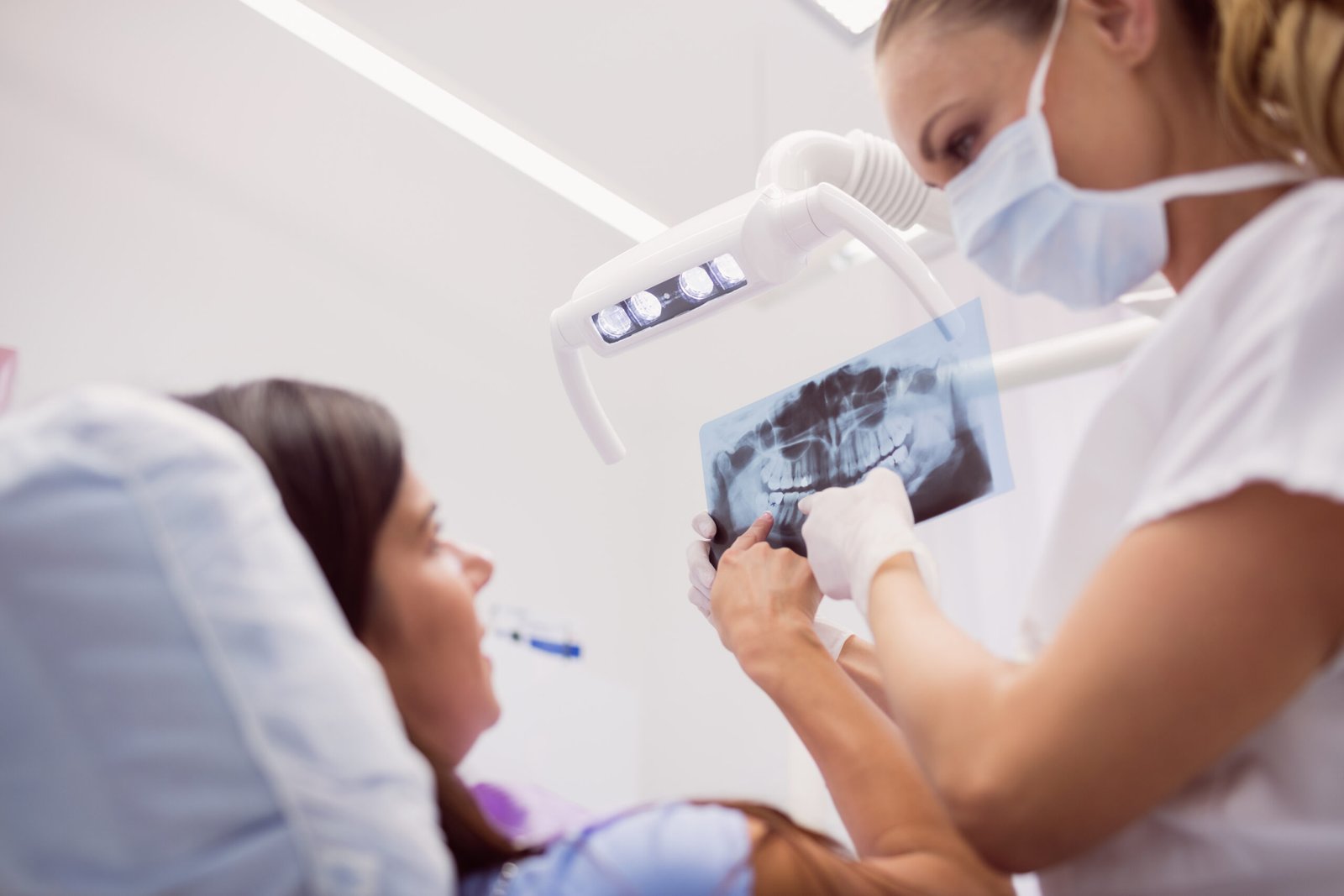
Understanding Panoramic X-Rays for Complete Dental Health
How often do you need dental X-rays? The answer depends on your oral health, age, symptoms, dental history and risk for conditions such as tooth decay and gum disease. Not everyone needs a dental X-ray every year, and a panoramic dental X-ray (panorex) serves a...
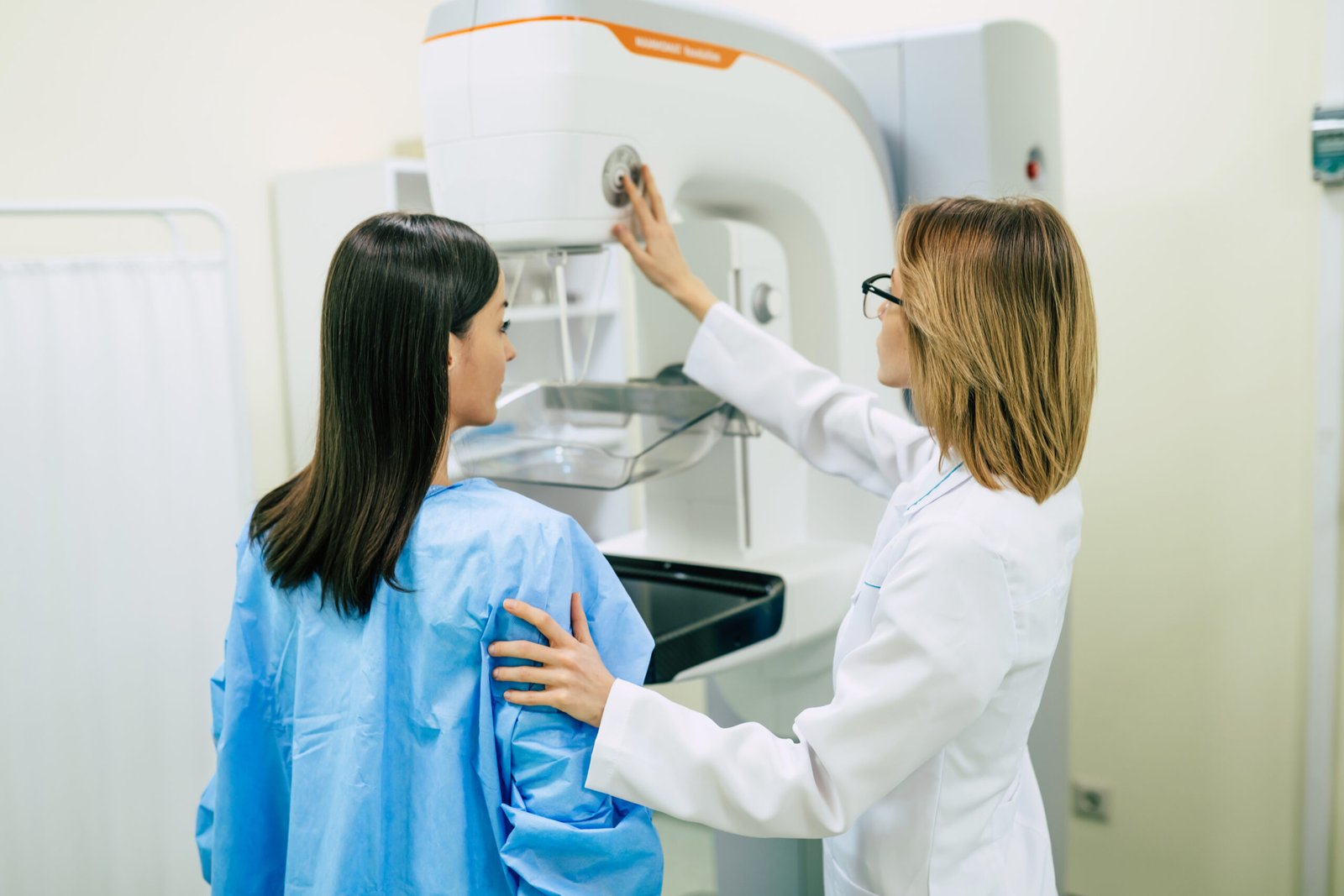
How to Prepare for a Mammogram: A Simple Guide
If you have a mammogram scheduled, preparation is usually simple. You can generally eat, drink and take your usual medications, but there are a few things you should avoid and some information you should bring with you. One of the most important instructions is easy...
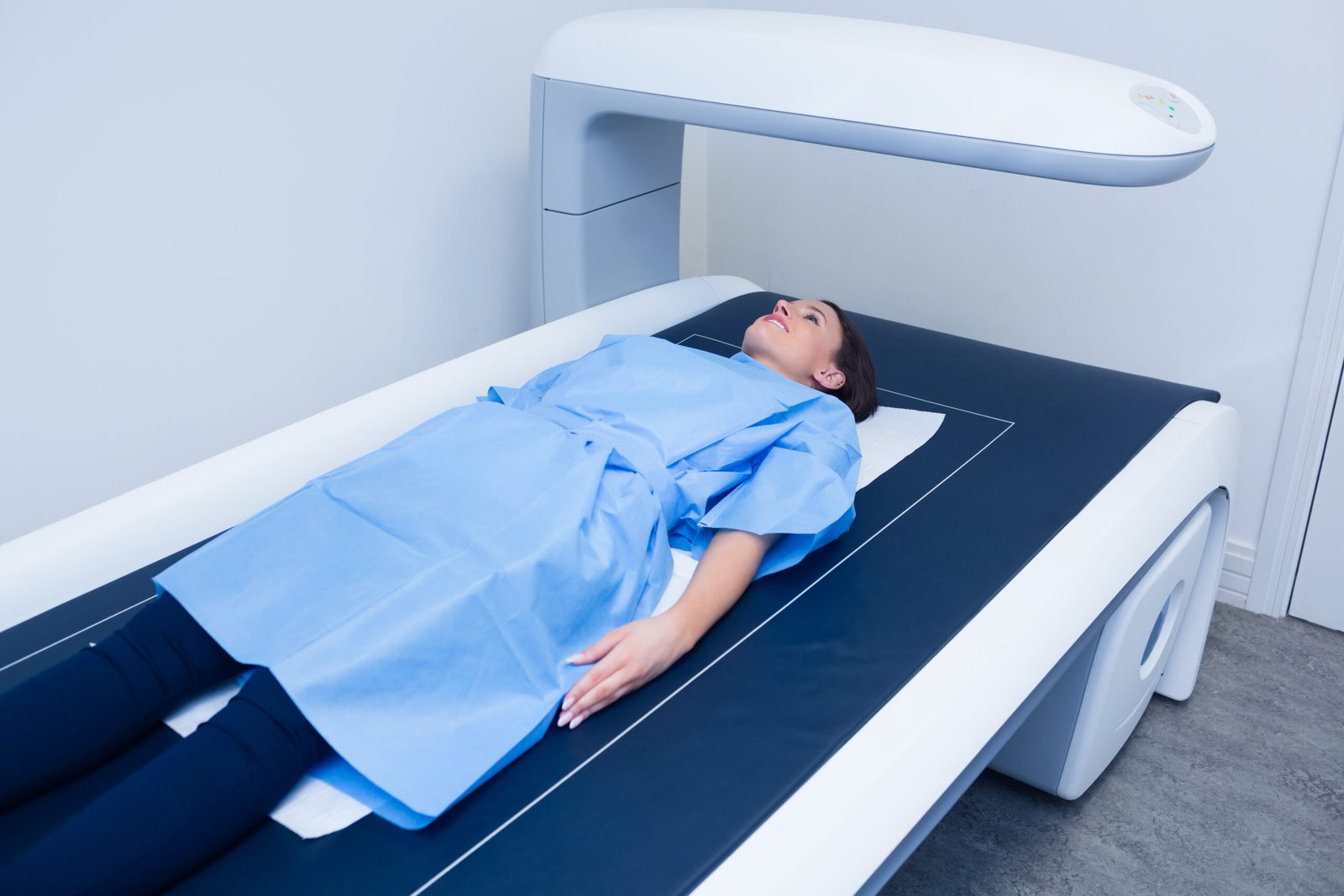
Bone Density Test (DEXA): Who Needs It and What Your Results Mean
A bone density test, also called bone densitometry, BMD testing, or a DEXA/DXA scan, measures bone mineral density and helps doctors assess your risk for osteoporosis and fractures. Osteoporosis can develop without obvious symptoms. For many people, the first sign is...

What Is a FibroScan? A Guide to Liver Stiffness, Fat and Your Results
A FibroScan is a quick, non-invasive test that measures liver stiffness and, when available, liver fat without requiring needles, incisions or a liver biopsy. Doctors may recommend FibroScan for people with fatty liver disease, abnormal liver enzymes, chronic...
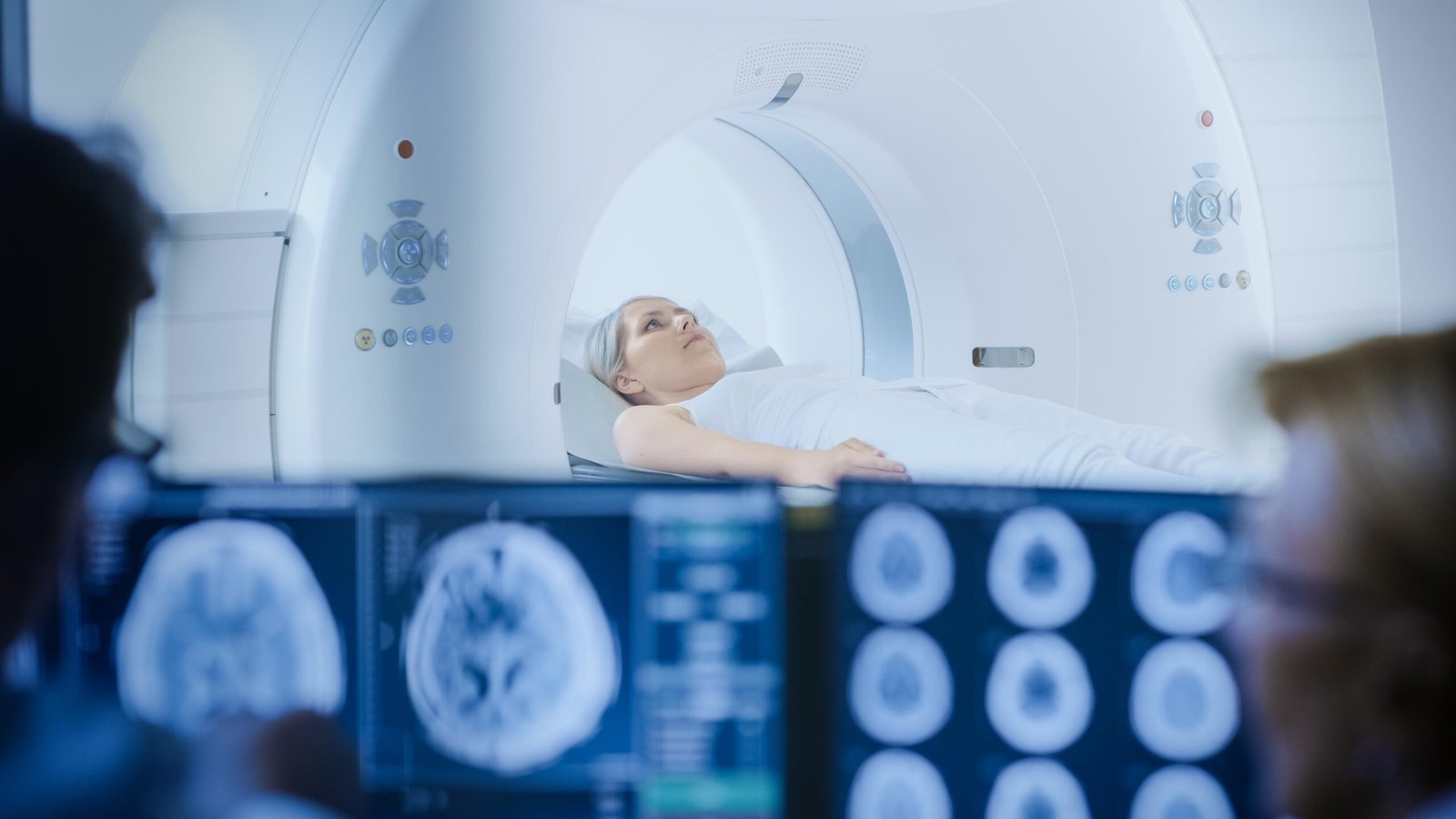
What to Expect During Your First CT Scan at Exact Check
If your doctor has requested a CT scan (computed tomography scan) and you've never had one before, you may be wondering what will happen, how long it will take, whether you need to fast, and what the machine will feel like. A CT scan uses X-rays and computer...